History
History of Gordon Castle Estate
The family of Gordon is among Scotland’s most ancient clans, tracing its lineage back to Sir Adam Gordon, who fought with Robert the Bruce at the Battle of Inverury in 1308. A castle was first established on the estate in 1479 by George, Second Earl of Huntly, on land known as the “Bog of Gight.” From this fortress, Clan Gordon rose to power, holding vast lands from the Moray Firth to Ben Nevis and earning the title “Cock o’ the North.”
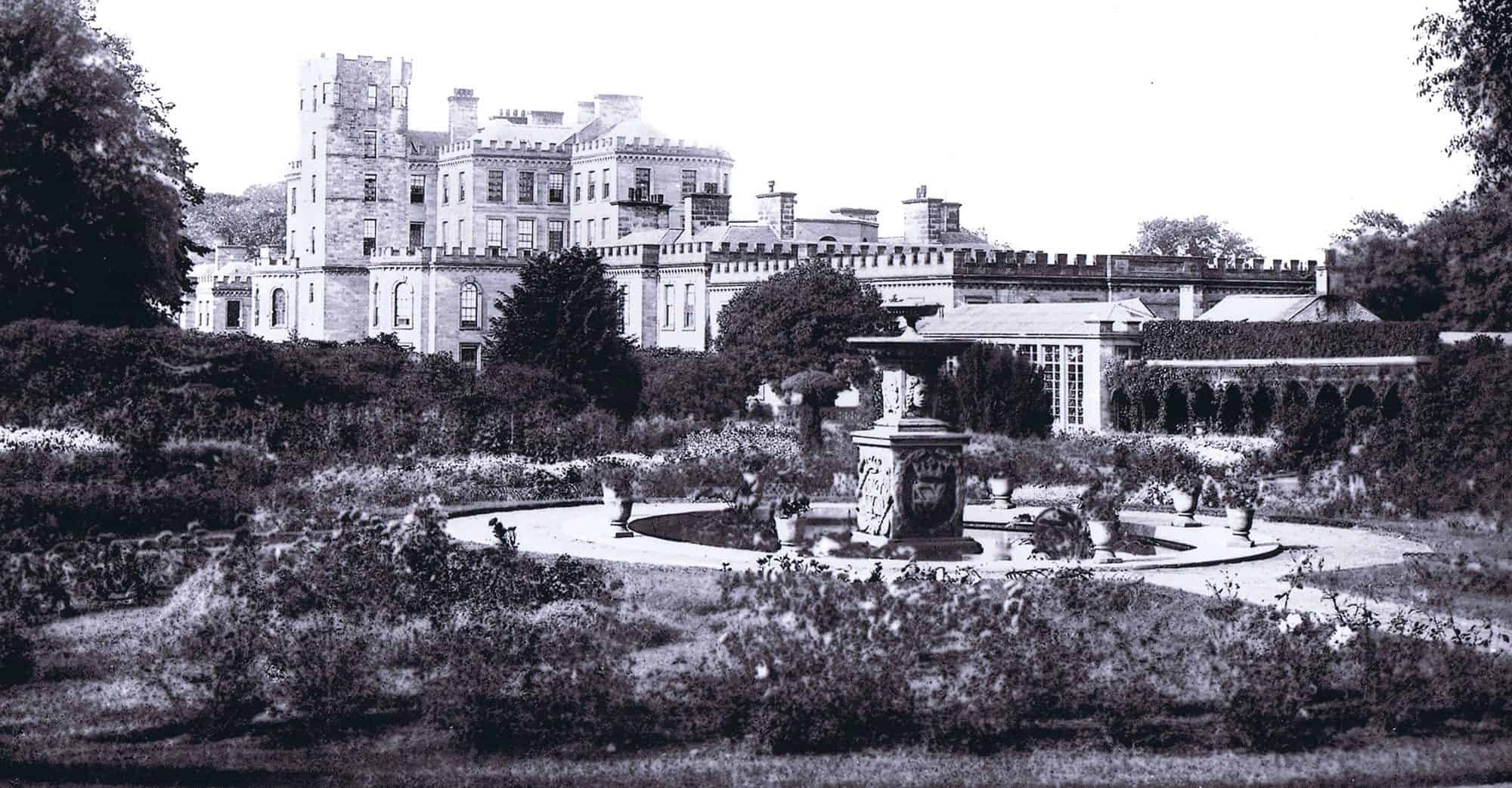
In the late 18th century, Alexander, 4th Duke of Gordon, transformed the fortress into a vast baronial mansion, likened to a Scottish Versailles. By 1868, it was considered one of the largest buildings in Scotland, boasting grand wings and gardens on a princely scale. Yet this grandeur carried heavy debts, and by 1836 the estate was burdened with financial struggles.
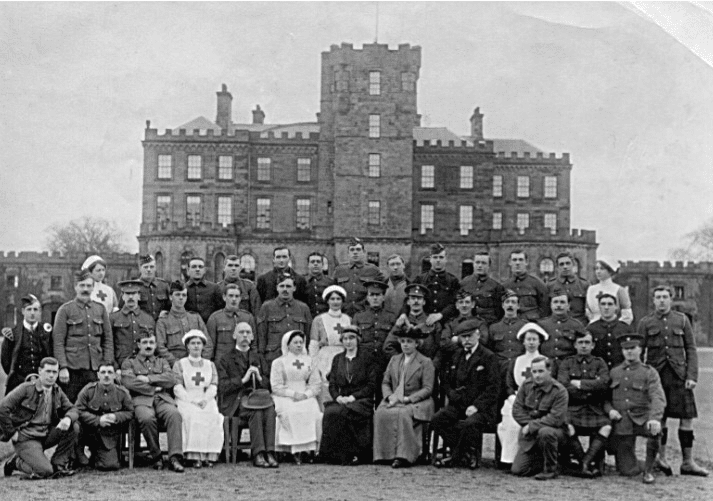
The Great War brought further change, with Gordon Castle serving as an Auxiliary Hospital. Economic pressures forced its sale in 1938, and it fell into disrepair. After the Second World War, Lieutenant General Sir George Gordon Lennox reclaimed and restored it, passing the legacy through his family. Today, Angus and Zara Gordon Lennox continue the stewardship of this historic estate.
Gordon Castle and the Gordon Highlanders
The Gordon Highlanders were raised on 10 February 1794 by the 4th Duke of Gordon, with spirited support from Duchess Jean. Her recruitment efforts became legendary — offering a golden guinea and a kiss to men who joined, inspiring many from the Gordon estates of Badenoch, Lochaber, Strathspey, and nearby counties. First numbered the 100th Regiment of Foot, they became the 92nd in 1798 and gained fame at Waterloo for their role in defeating Napoleon.
In 1881 the 92nd merged with the 75th Regiment, continuing service in campaigns such as the Boer War. During the First World War, the regiment raised twenty-one battalions, earned fifty-seven battle honours, four Victoria Crosses, and suffered 8,870 casualties. In the Second World War, the Gordons fought worldwide, notably with the Desert Rats in North Africa and during the D-Day Landings in 1944.
The Gordon family’s close ties endured, ensuring the regiment’s proud legacy of courage and loyalty.
The History of the Walled Garden
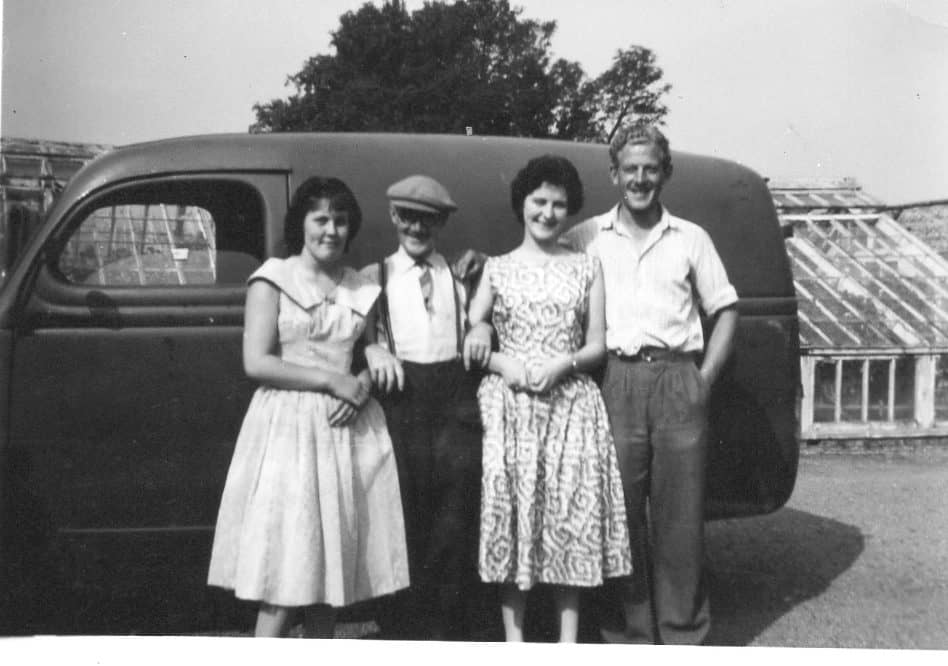
The Walled Garden at Gordon Castle is one of Scotland’s most historic and significant kitchen gardens. Evidence of a walled garden on the site dates back to the 17th century, with its present form completed in 1803. For generations, the eight-acre garden flourished with flowers, fruit, vegetables, and herbs, providing for Gordon Castle, the ancestral home of Clan Gordon.
Following the Second World War, the garden was turned over to commercial raspberry growing before falling into disuse during the 1980s. Even then, the walls and original fruit trees were carefully maintained, preserving its structure and potential.
In 1987, the garden was officially recognised in Scotland’s Inventory of Gardens and Designed Landscapes, praised as both “outstanding” and a “work of art.” Since 2011, the Gordon family has undertaken an ambitious restoration project, bringing the garden back to life as a vibrant, productive, and nationally significant landmark.
The Gordon Castle Ash
The mighty ash (Fraxinus excelsior) which stood on the lawns to the front of Gordon Castle presented an imposing figure, the girth of its trunk measuring a staggering twenty five feet and seven inches. It is probable that the tree dated from the time of the 4thDuke of Gordon’s expansion of the Estate in the 1780s – making the ash over 250 years old. Sadly the tree was badly damaged by a heavy storm in 2010 and had to be felled.
However, every part of this once grand ash was salvaged and used throughout the estate, including the ongoing restoration of the eight acre Walled Garden. Cuttings were also taken from the ash by our team of dedicated gardeners and we are pleased to announced that a new ash now grows close by the site of the Gordon Castle Ash.
Gordon Castle and Gordon Setters
Although history suggests the existence of black and tan setters as far back as the 16th century, Alexander Gordon, 4th Duke of Gordon, is credited with establishing the breed we know today as the Gordon Setter. To begin with they were bred purely for their ability as hunting dogs and it was only later, through cross breeding with other setters, that the characteristic ‘black and tan’ coat became a sought after strain of the breed.
History has it that the 4th Duke of Gordon would not shoot over his setters until they were five years old, as they were known for being unruly when young and slow in maturing. Most breeders and Gordon owners would say the breed remains unchanged in this respect, but beauty, brains and bird sense are certainly the outstanding qualities of the mature Gordon Setter.
A Highland Sanctuary for Wounded Soldiers of WWI
On 26 November 1914, Gordon Castle was transformed from a country estate into one of Scotland’s largest Voluntary Aid Detachment (VAD) hospitals. At the request of the Duke of Gordon and under the Red Cross, the Castle and grounds became a sanctuary for wounded soldiers from across the British Empire. Over the next four and a half years, more than 2,700 men arrived from the trenches of France and Belgium to recover in the tranquillity of Speyside.
Forty rooms were converted into wards, providing 100 beds, a surgery, and new washrooms. The kitchens and gardens supplied fresh food, while the Duke personally funded modern medical equipment. Professional staff were few: Dr. Mann of Fochabers served as the first Medical Officer, supported by dedicated Matrons and two Sisters. The majority of care, however, came from local volunteer nurses, women drawn from Moray and Banffshire. Several staff, including Matrons Ethel Burgess and E.B. Davidson, were later awarded the Royal Red Cross.
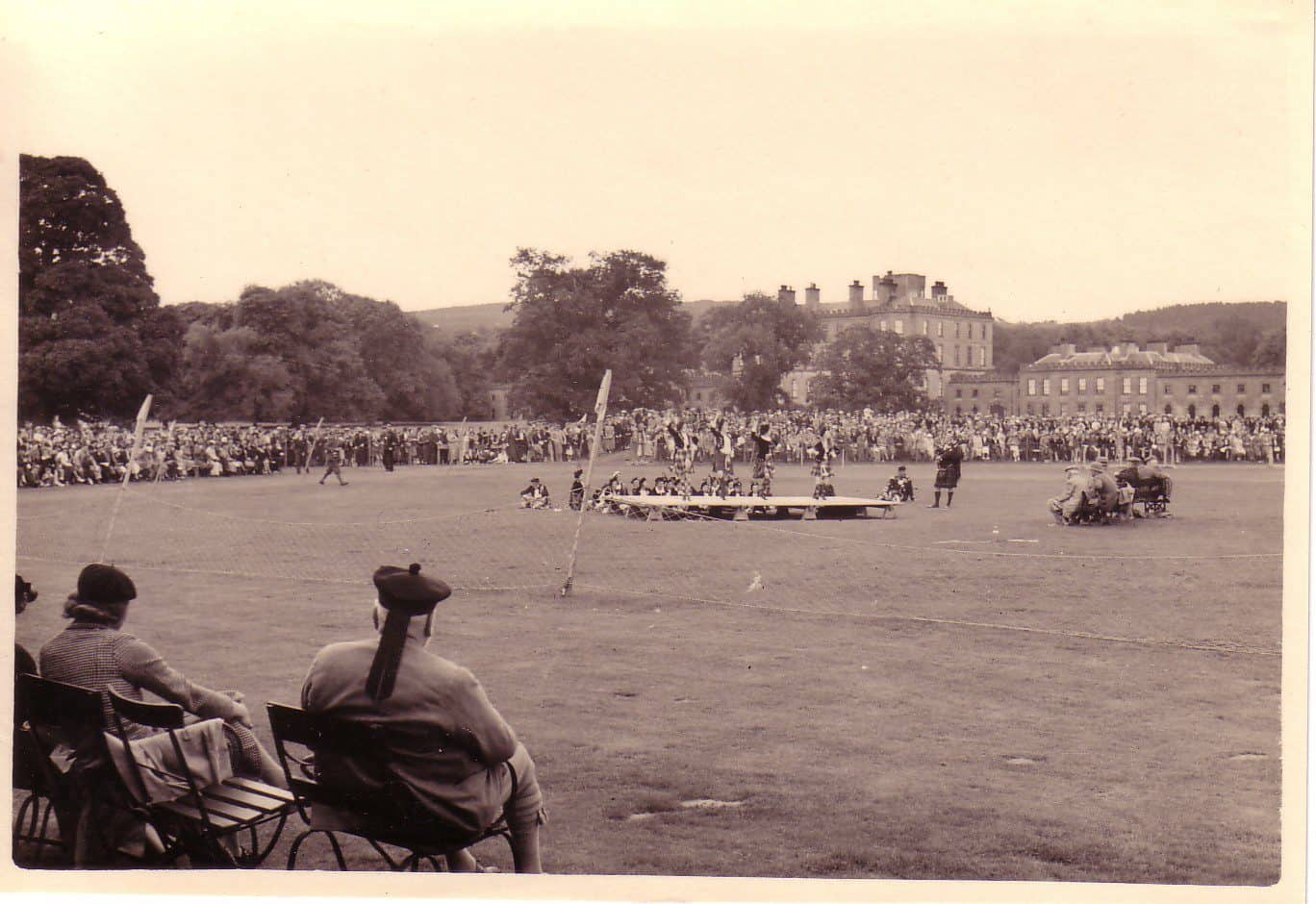
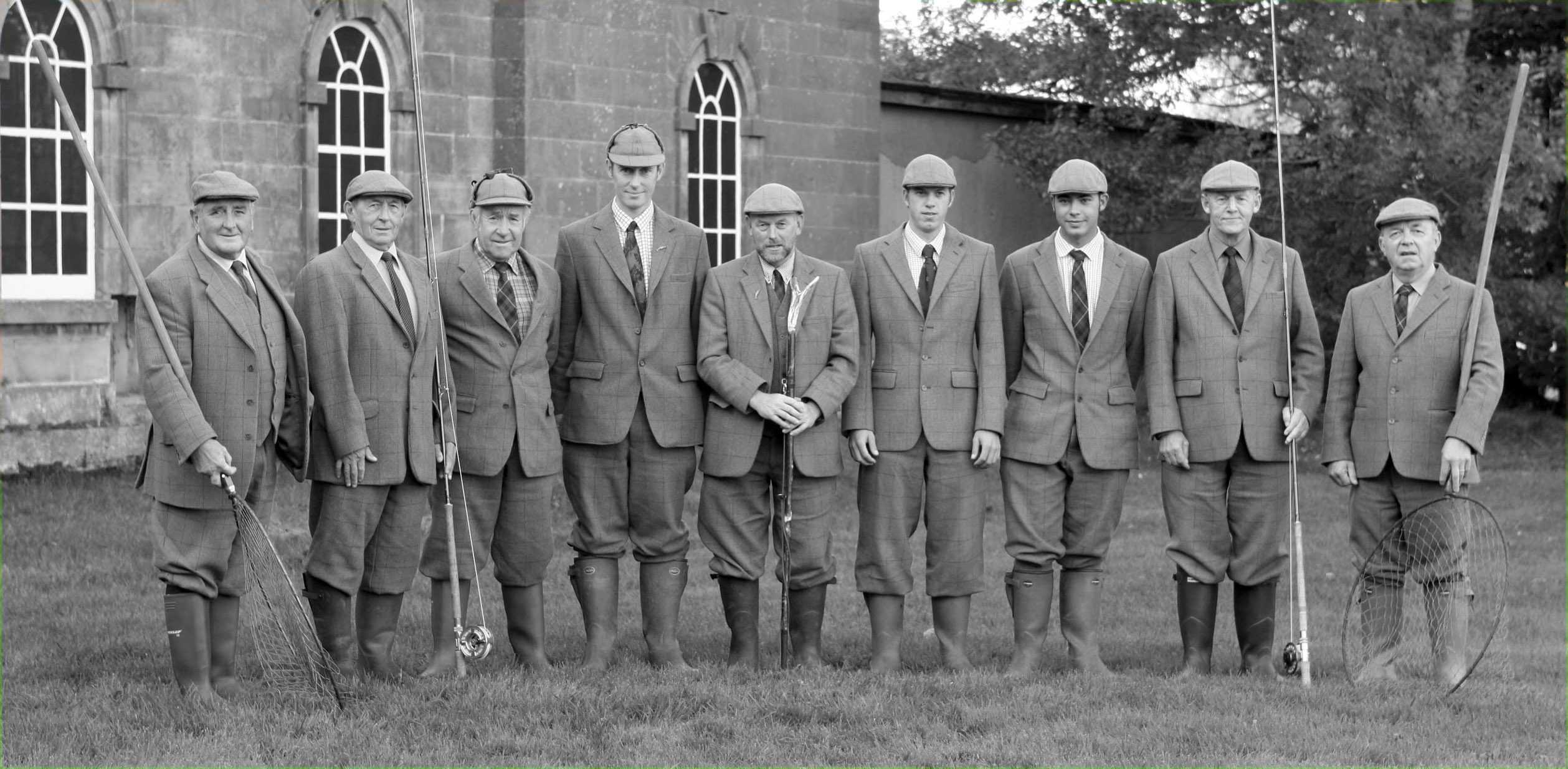
Recovery went beyond medical care. Patients enjoyed concerts, dances, and games in the bright “Circle,” outings to nearby coasts, and even fly-fishing on the River Spey. Annual summer fêtes became highlights for patients, staff, and the local community alike.
The Gordon-Lennox family’s commitment reflected a long tradition of service. The Duke and his sons had fought in the Boer War, and by 1914 his youngest son, Lord Bernard, had already fallen at Ypres. On 19 May 1919, the hospital closed its doors, remembered today by a simple plaque of thanks from the Scottish Red Cross.